In the production and storage processes of industries such as chemical, petroleum, pharmaceutical, and food, storage tanks are the core equipment for material storage, and their selection directly affects storage safety, space utilization, and operational efficiency. Among them, horizontal storage tanks and vertical storage tanks are two common types, each with its own emphasis on structural design, performance characteristics, and application scenarios, and need to be selected reasonably based on actual needs.
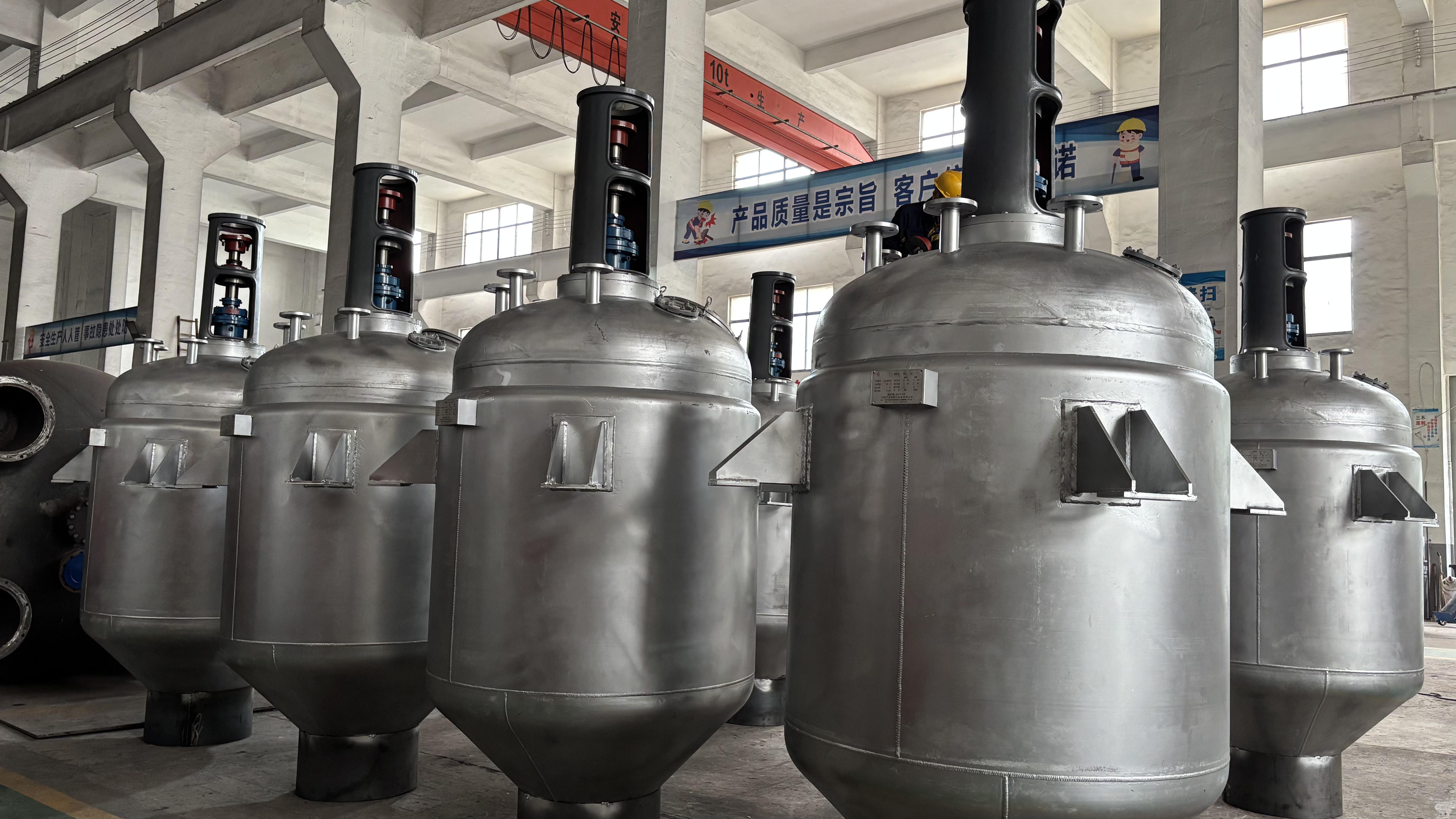
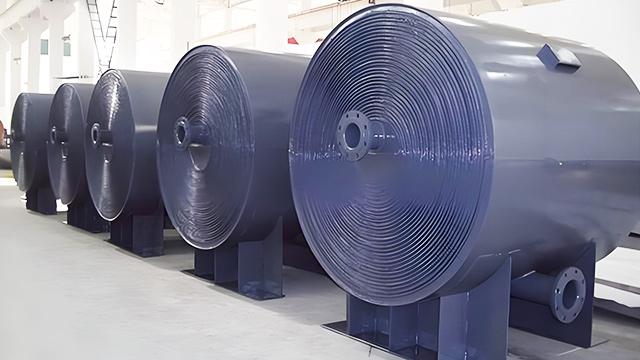
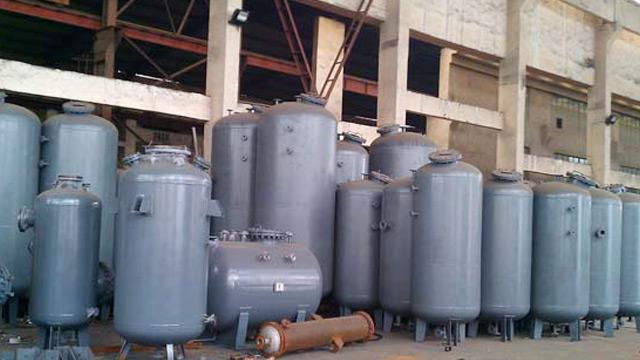
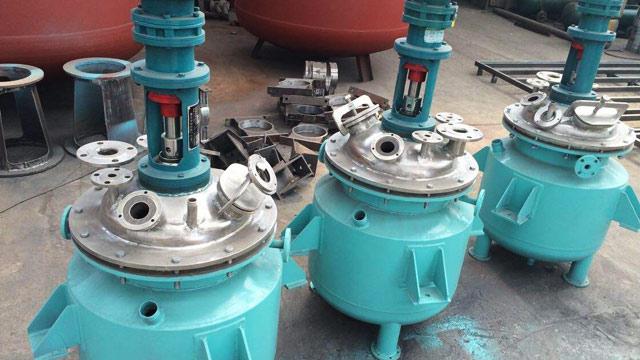
Vertical storage tanks adopt a vertical tank body design, with a cylindrical body and an elliptical or conical head at the top, and a flat or elliptical head at the bottom, supported by legs or skirts. Its characteristics are "upward extension", small footprint, high vertical height, and the ability to increase storage capacity by increasing height. Horizontal storage tanks adopt a horizontal tank design, with cylindrical tanks and elliptical or disc-shaped heads at both ends. They are fixed to the ground through saddle supports, and the overall structure is "horizontally spread out" with a lower height. The length is adjusted according to storage needs. In addition, the inlet and outlet pipelines of horizontal storage tanks are often located on both sides of the tank, while the inlet and outlet of vertical storage tanks are often located at the top and bottom, and vertical storage tanks are usually equipped with auxiliary facilities such as ladders and platforms for easy top operation and maintenance.
Vertical Storage Tanks:
Pros: Small footprint, high space utilization, excellent solid-liquid separation.
Cons: High center of gravity, strict foundation requirements, vulnerable to wind loads.
Vertical storage tanks are widely used in large chemical industrial parks, petroleum storage facilities, and other tight but high-capacity storage scenarios. They can be used to store crude oil, chemical raw materials, finished solvents, etc. They are also commonly used for the storage of liquid raw materials in the food industry, such as syrup and edible oil. Horizontal storage tanks are more suitable for small and medium-sized enterprises, temporary storage scenarios inside or outside workshops, such as intermediate storage in the pharmaceutical industry, solvent storage in the coating industry, gasoline and diesel storage tanks in gas stations, etc., especially in situations where frequent loading and unloading of materials or open spaces are required.
Whether it is a horizontal or vertical storage tank, when selecting, factors such as the characteristics of the storage medium, site conditions, storage capacity, operational requirements, and safety regulations must be comprehensively considered. Only by matching the actual working conditions can we ensure that the storage tank achieves efficient storage while ensuring the safety and stability of production and operation.
Hongtu Pharmaceutical has specialized technical talents in automatic submerged arc welding (SAW), ion automatic welding (PAW), electrode arc welding (SMAW), tungsten gas shielded welding (GTAW), and other fields, providing process support for the implementation of research and development achievements. The quality system responsible person is appointed by relevant engineers to ensure the standardization of research and development and production.
Need a custom vertical or horizontal storage tank built to precise technical standards? [Contact Wuxi Hongtu's Engineering Team] today for a fast quote and technical consult!( htyh02@gmail.com)
2026/06/01
2010/11/02
2026/06/22
2026/07/01
2026/07/02