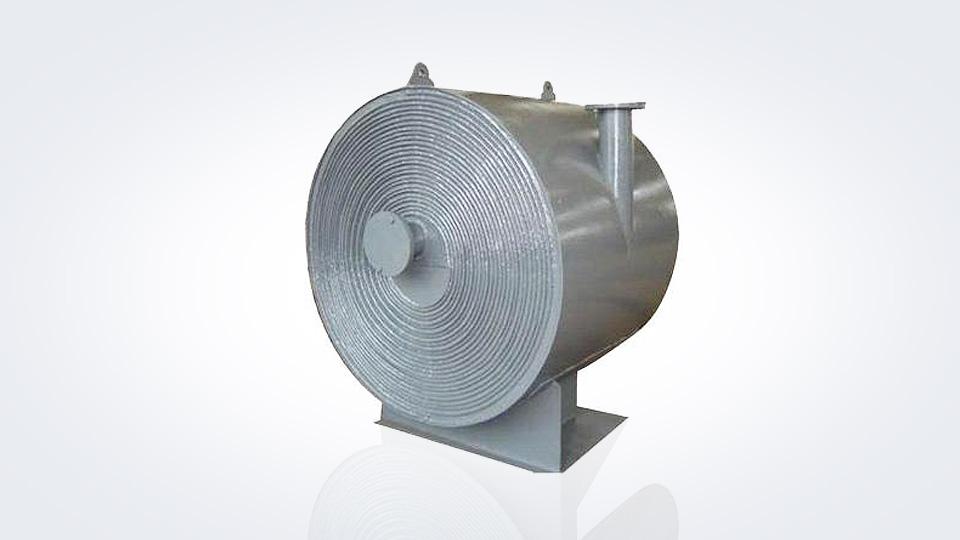
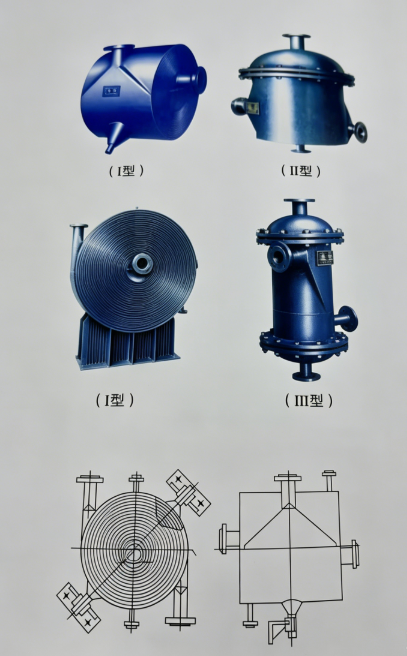
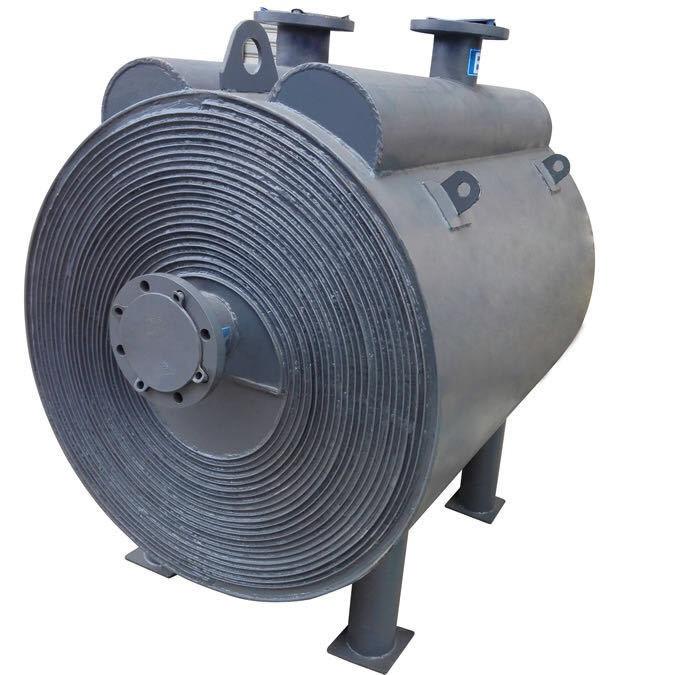
As the core equipment for heat transfer in industries such as chemical, power, and food, the operation status of heat exchangers directly affects production efficiency and energy consumption levels. Scientific and reasonable maintenance is the key to extending the service life of heat exchangers and ensuring heat exchange efficiency. The following issues should be given special attention.
During long-term operation, heat exchangers are prone to fouling such as scale, oil, and impurities on the heat exchange surface, leading to a decrease in heat transfer coefficient and an increase in energy consumption. Suitable cleaning methods should be selected based on the characteristics of the medium and the scaling situation: for scale like dirt, chemical cleaning methods can be used, using acidic or alkaline cleaning agents and strictly controlling the concentration and cleaning time to avoid corrosion of heat exchange tubes; For oil stains and impurities, physical cleaning methods such as high-pressure water jet cleaning, mechanical scrubbing, etc. can be used. The cleaning cycle should be determined based on actual working conditions. It is generally recommended to conduct a routine inspection every 3-6 months and a comprehensive cleaning once a year to ensure the cleanliness of the heat exchange surface.
The sealing parts of heat exchangers, such as flange gaskets and sealing strips, are prone to leakage due to aging, corrosion, or improper installation, which affects heat transfer efficiency and poses safety hazards. During daily maintenance, it is necessary to regularly check whether the sealing surface is deformed or cracked, and whether the gasket is aging or ineffective. If any problems are found, they should be replaced in a timely manner; When replacing the gasket, it is necessary to choose a product that is compatible with the medium and matches the specifications, and ensure that the force is evenly distributed during installation to avoid unbalanced load. At the same time, for the clamping bolts of plate heat exchangers, it is necessary to regularly check the tightness to prevent sealing failure caused by loose bolts.
During the operation of the heat exchanger, real-time monitoring of inlet and outlet temperature, pressure, flow rate and other parameters is required. If a decrease in temperature difference, abnormal increase in pressure drop or medium leakage is found, the machine should be stopped immediately for inspection. In addition, it is necessary to avoid operating the heat exchanger under overheating and overpressure conditions, strictly follow the equipment operating procedures, and prevent impact on the equipment due to fluctuations in operating conditions. For heat exchangers that have been out of service for a long time, the internal medium needs to be emptied, purged or sealed to avoid internal corrosion or impurity deposition.
Hongtu Pharmaceutical is equipped with hydraulic, pneumatic, and airtight testing devices and precision testing instruments to accurately test the pressure performance, sealing effect, separation accuracy, and other aspects of the research and development samples, ensuring the reliability and stability of the research and development results.
Every chemical process is unique. Contact our engineering team today for a tailored equipment solution that fits your specific production needs.(htyh02@gmail)
2026/02/28
2026/07/01
2026/07/02
2021/06/16
2026/06/01