For chemical, pharmaceutical, food and beverage manufacturing, selecting a suitable industrial reactor is one of the most critical purchasing decisions. A mismatched reactor will lead to unstable reaction results, low production efficiency, high energy consumption and even potential safety hazards. Whether you are building a new production line or upgrading existing equipment, knowing how to select reliable stainless steel reactors and qualified custom reactors will greatly optimize your overall production performance.
In this practical buying guide, we summarize common industry pain points, core selection standards, product differences, typical application scenarios and professional purchasing advice to help you pick the ideal reactor for your process.
Many factory operators encounter similar troubles after purchasing standard reactors without precise matching:
First, standard universal models often fail to adapt to special pressure, temperature or mixing requirements. This causes incomplete chemical reactions, low yield and serious waste of raw materials.
Second, ordinary material vessels are prone to corrosion when facing acidic, alkaline or high-purity reaction environments. Shortened equipment service life and frequent maintenance increase long-term operating costs.
Third, unreasonable jacket structure and agitator design lead to uneven heating and poor mixing effects. The whole production cycle becomes longer while energy consumption rises continuously.
Fourth, standardized reactors cannot support personalized production processes. When formulas, batch volumes or process parameters change, factories have to modify equipment or repurchase new machines, resulting in unnecessary investment.
Finally, equipment that fails to meet industry certification standards may cause compliance risks, especially for pharmaceutical, sanitary food and fine chemical production.
All these problems prove that general-purpose equipment cannot satisfy all industrial production demands. In many cases, custom reactors are the more stable and cost-effective solution for long-term operation.
To avoid common purchasing mistakes, you need to evaluate reactors from the following key dimensions:
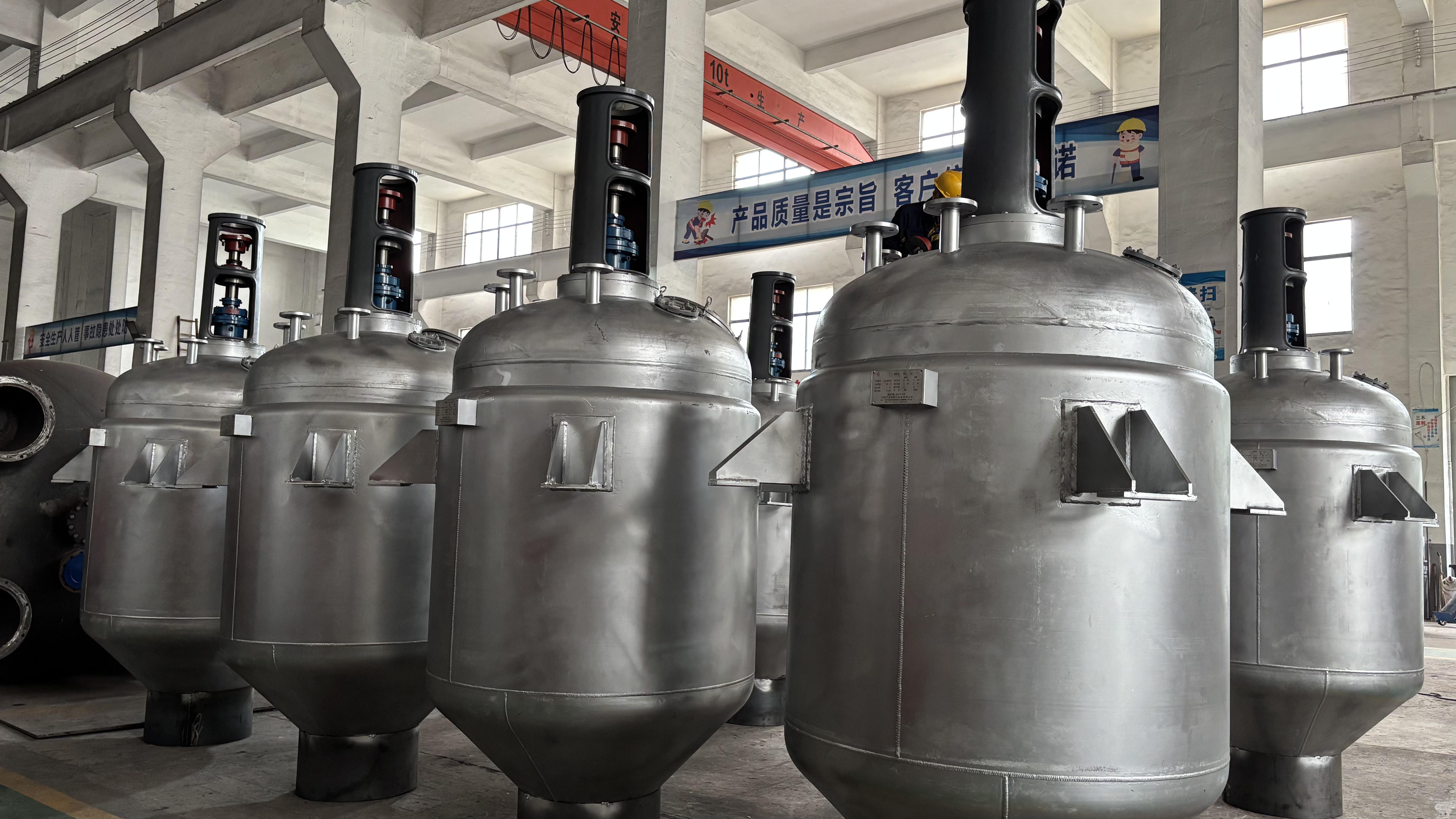
Stainless steel is the most widely used material for industrial reactors due to its good corrosion resistance, high-temperature resistance and easy cleaning performance.
304 Stainless Steel: Suitable for general chemical reactions, food mixing and normal-temperature production. It features stable oxidation resistance and low cost, ideal for conventional production lines.
316L Stainless Steel: Upgraded with molybdenum elements, it resists acid corrosion, chloride corrosion and high-temperature oxidation. It is the preferred material for pharmaceutical, fine chemical and high-purity production.
Custom Special Materials: For extremely corrosive or high-standard processes, we support customized lining and special alloy materials to fully adapt to special working conditions.
Different reaction formulas require strict pressure and temperature control.
Low-pressure normal-temperature reactions can use standard stainless steel reactors. For high-temperature thermal synthesis, high-pressure hydrogenation and vacuum reactions, customized pressure-resistant and temperature-resistant structures are necessary to ensure production safety and stability.
All customized equipment strictly follows CE and industrial safety standards with complete safety protection configurations.
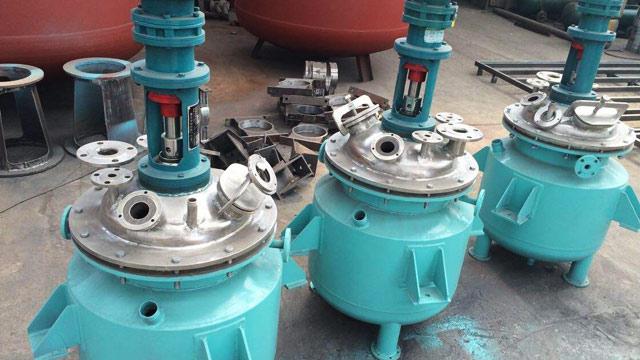
Mixing efficiency directly determines reaction uniformity and finished product quality.
Low-viscosity liquid reactions adopt conventional turbine and propeller agitators. For high-viscosity glue, resin and paste materials, anchor-type and frame-type agitators with scraping wall design are required to avoid material adhesion and dead mixing zones.
Custom reactors can configure agitator type, rotating speed, sealing mode and motor power completely according to customer process requirements.
Reactor volume should match daily batch output. The effective working volume is usually controlled at 70%–80% of the total tank volume to ensure sufficient reaction space.
We provide complete specifications from small laboratory test reactors to large industrial 10000L+ reactors, and support personalized scaling customization for expanding production capacity.
Most buyers are confused about choosing standard equipment or customized equipment. Here is a clear comparison:
Lower upfront cost and fast delivery
Fixed structure, fixed parameters
Suitable for conventional, simple and unchanged production processes
Basic industry certification, suitable for general industrial production
Tailored according to process formula, working conditions and site environment
Optimized heating/cooling system, mixing system and safety structure
Support high pressure, high temperature, anti-corrosion and sanitary-grade customization
Adaptable to formula upgrade and capacity expansion
Higher long-term efficiency, lower failure rate and maintenance cost
For simple and stable production, standard stainless steel reactors are enough. For fine chemical, pharmaceutical, high-purity and complex reaction processes, customized reactors are definitely more suitable.
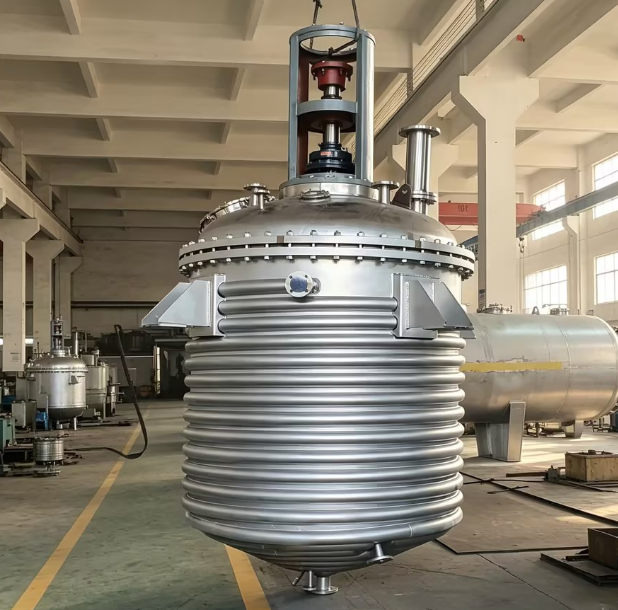
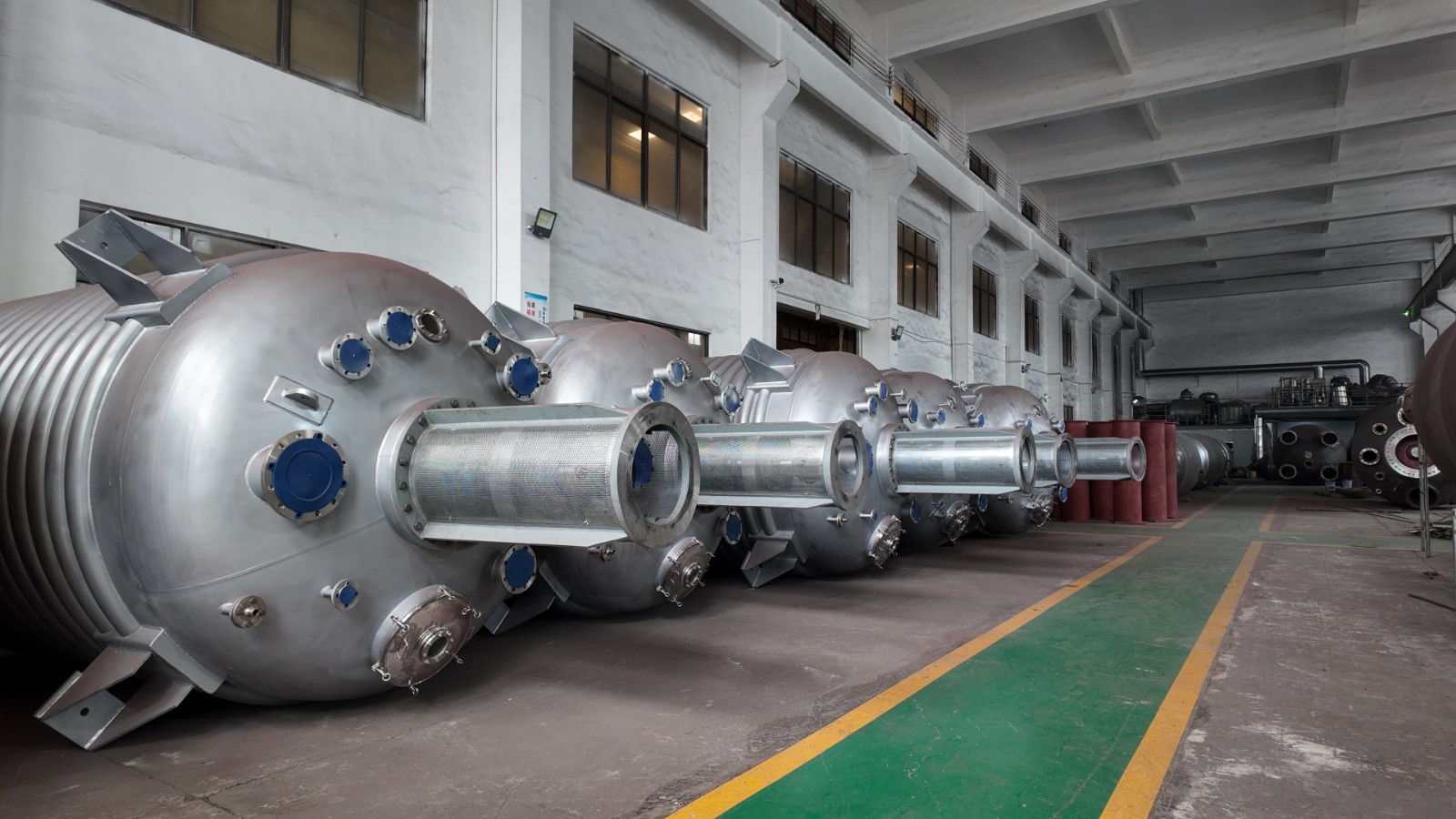
Custom stainless steel reactors are widely used for polymerization, synthesis, emulsification and high-purity material reaction, effectively solving corrosion and uneven reaction problems.
316L sanitary-grade reactors meet GMP production standards, suitable for API synthesis, intermediate reaction and pharmaceutical liquid preparation.
Polished stainless steel reactors ensure no residue, easy cleaning and no cross-contamination, applicable for syrup, cream, detergent and cosmetic mixing.
Custom pressure-resistant and vacuum reactors support new material synthesis, wastewater treatment and special environmental protection reaction processes.
1. Confirm detailed process parameters including reaction temperature, pressure, material viscosity and corrosion before purchasing.
2. Select material grade reasonably according to industry attributes to avoid material mismatch and equipment damage.
3. Prioritize manufacturers with mature customization experience and complete certification.
4. Equip professional safety accessories such as pressure relief valves and explosion-proof devices for high-risk processes.
5. Consider later capacity expansion and process upgrade to reserve modification space for equipment.
A high-quality stainless steel reactor is the foundation of stable production, while a reasonable customized solution can greatly improve production efficiency and reduce long-term operating costs.
If you are looking for durable, high-precision industrial reactors or need professional custom reactor solutions for special processes, welcome to contact our professional engineering team.
Wuxi Hongtu offers a dedicated engineering and support team to ensure your custom reactor project is delivered to precise technical specifications. Contact us today for a free technical consultation and quick quote.
2026/07/01
2010/11/02
2026/06/01
2026/07/01
2026/06/29