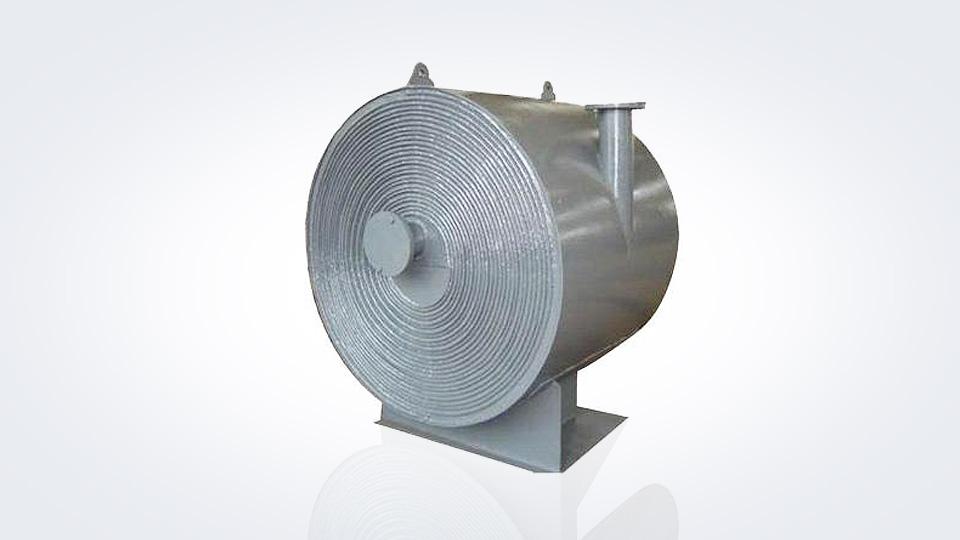
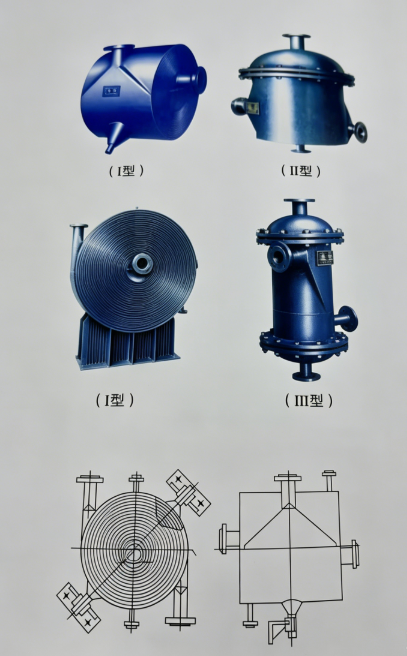
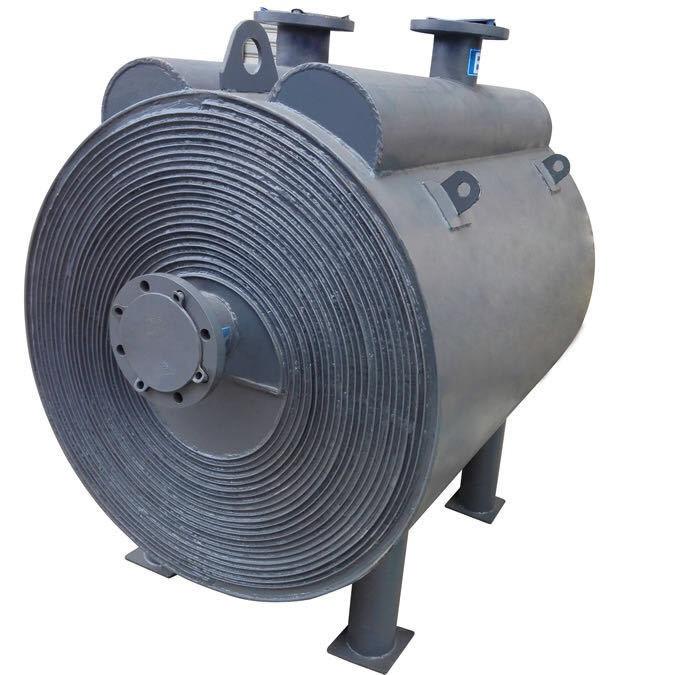
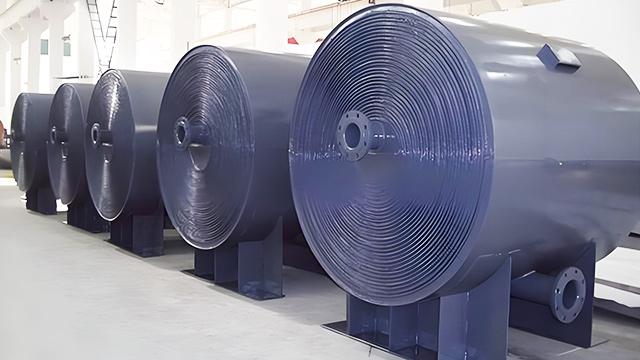
Spiral plate heat exchangers are widely used in chemical processing, wastewater treatment, food and beverage production, power generation, and other industrial applications where efficient heat transfer and reliable operation are critical. Their compact spiral channel design provides excellent turbulence, high thermal efficiency, and better resistance to fouling compared with many conventional heat exchanger designs.
However, even the most advanced spiral plate heat exchanger requires proper cleaning and preventive maintenance to maintain peak performance. In real-world industrial operations, gradual efficiency loss is often caused by fouling, scaling, corrosion, or changes in operating conditions. Establishing a professional maintenance program helps prevent unexpected downtime, reduce energy consumption, and extend equipment service life.
During continuous operation, process fluids may introduce contaminants such as suspended solids, mineral deposits, oil residue, biological growth, or chemical by-products into the heat transfer channels. Although the spiral flow path creates strong turbulence that helps reduce deposit buildup, heavy fouling can still occur under demanding operating conditions.
A fouled heat exchanger typically shows several warning signs, including reduced heat transfer capacity, increased pressure drop, longer heating or cooling times, and higher pump energy consumption. In many industrial facilities, monitoring operating parameters such as inlet and outlet temperatures, flow rates, and differential pressure provides an early indication of developing problems.
For example, a noticeable increase in pressure drop compared with normal operating conditions often indicates that deposits are restricting the flow channels and that cleaning may be required.
Before performing any cleaning operation, the spiral plate heat exchanger must be safely isolated from the system. Shut down connected equipment, release internal pressure completely, and allow the unit to reach a safe temperature before maintenance begins.
Before cleaning, record the current operating conditions, including:
Inlet and outlet temperatures
Flow rates
Pressure drop across the exchanger
Visible signs of leakage or corrosion
These records help determine whether cleaning restores the original performance after maintenance.
For many industrial applications, cleaning-in-place (CIP) is the preferred method because it removes deposits without opening the equipment. The cleaning solution should always be selected according to the type of fouling and the construction materials of the heat exchanger.
Common deposits may include:
Calcium scale from hard water
Organic residue from food processing
Sludge from wastewater applications
Process chemicals from industrial production
The cleaning agent must be compatible with materials such as stainless steel, titanium, or other alloys used in the exchanger. Incorrect chemical selection can cause surface damage, corrosion, or reduced equipment reliability.
When deposits are severe or flow channels become partially blocked, mechanical cleaning may be necessary. Use appropriate non-abrasive tools to remove stubborn buildup while protecting the heat transfer surfaces.
Avoid using sharp metal tools that may scratch the plates or damage protective surfaces. If high-pressure water cleaning is used, pressure levels should remain within the manufacturer's recommended range to prevent deformation or surface damage.
A proactive maintenance schedule should include regular inspection of the following components:
Heat transfer surface condition
Welded joints and sealing areas
Gaskets and connection points
Signs of corrosion or pitting
Pressure drop changes
Abnormal vibration or operating noise
Maintenance frequency depends on several factors, including fluid properties, operating temperature, flow velocity, and contamination level. Applications involving high-solid fluids or scaling liquids usually require more frequent inspection and cleaning.
Proper operation is just as important as cleaning. To maximize the lifespan of a spiral plate heat exchanger:
Monitor operating data regularly
Tracking temperature differences and pressure changes allows operators to detect performance problems before serious damage occurs.
Maintain suitable fluid quality
Installing filtration systems or removing excessive suspended solids before the exchanger can significantly reduce fouling risk.
Follow recommended maintenance intervals
Avoid waiting until performance drops significantly. Preventive cleaning is usually more economical than emergency repairs or production interruptions.
Use compatible replacement parts
When replacing gaskets or other components, always select materials designed for the operating temperature, pressure, and chemical environment.
In industrial applications, many heat exchanger failures are not caused by equipment design but by improper maintenance practices. Common mistakes include using unsuitable cleaning chemicals, delaying inspection after pressure changes appear, or operating the exchanger outside its original design conditions.
Working with an experienced heat exchanger manufacturer can help ensure correct material selection, cleaning procedures, and operating recommendations. Proper design combined with professional maintenance provides better efficiency and long-term reliability.
A spiral plate heat exchanger is designed for efficient and dependable heat transfer, but regular cleaning and maintenance are essential to achieve its expected service life. By monitoring operating performance, applying suitable cleaning methods, and following a preventive maintenance strategy, companies can reduce downtime, improve energy efficiency, and maintain stable production processes.
Investing in proper maintenance not only protects the heat exchanger itself but also improves the reliability of the entire thermal system. With the right maintenance approach and engineering support, a spiral plate heat exchanger can deliver consistent performance for many years in demanding industrial environments.
2026/02/28
2026/03/01
2026/06/01
2026/06/15
2026/06/29