Industrial processing continuously demands higher thermal efficiency under increasingly tight operational margins. In sectors handling challenging media—such as chemical processing, pharmaceutical manufacturing, and wastewater treatment—standard thermal equipment often encounters severe bottlenecks. Issues like chronic fouling, excessive floor space requirements, and thermal degradation regularly disrupt production schedules and inflate maintenance overhead.
To overcome these limitations, plant engineers are systematically replacing legacy systems with Spiral Plate Heat Exchangers (SPHE). Below is a technical analysis of why this specific configuration has become a priority for international procurement managers seeking to optimize plant uptime.
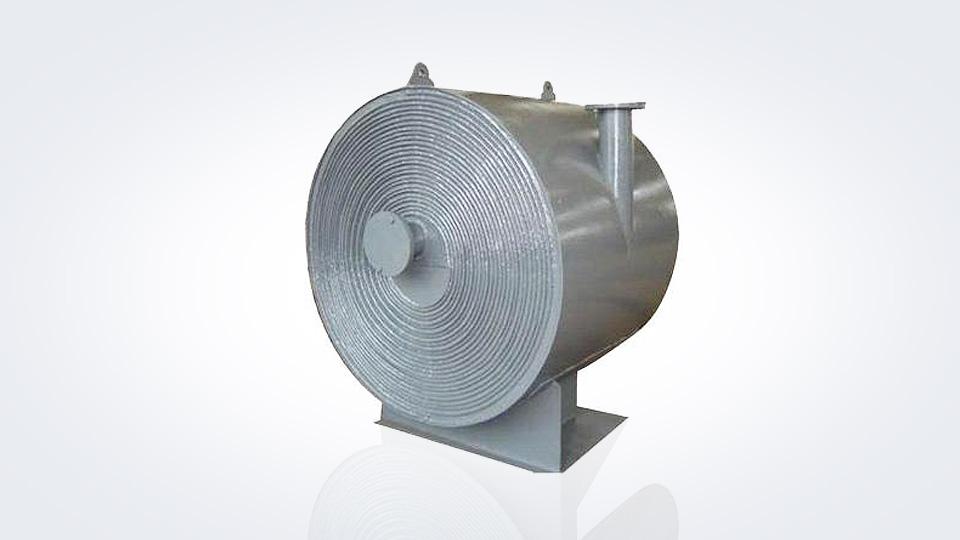
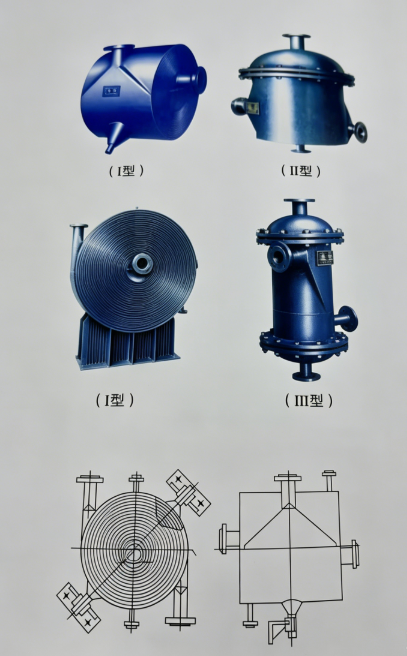
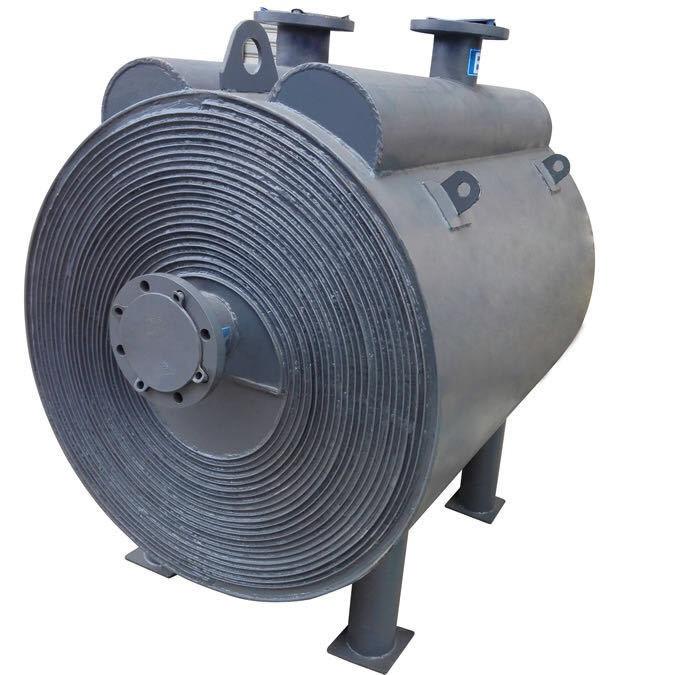
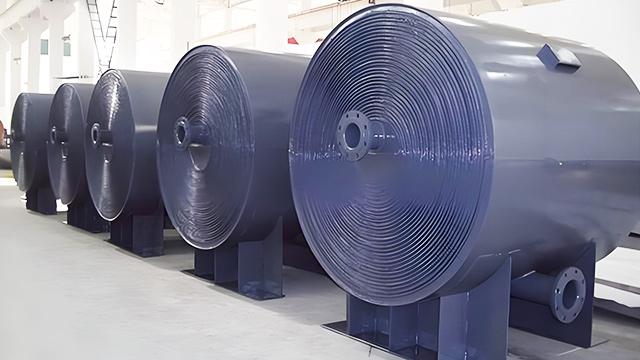
The primary advantage of a spiral plate heat exchanger lies in its geometric efficiency. Unlike the multi-pass configurations of standard shell and tube designs, an SPHE is constructed by rolling two long metal plates around a central core, creating two completely isolated, concentric single-flow channels.
This design enables a true counter-current flow pattern. As a result, it achieves a remarkably close temperature approach, allowing the system to transfer maximum heat in a single pass. Because the entire surface area contributes actively to thermal exchange, an SPHE delivers a significantly higher heat transfer coefficient while utilizing only a fraction of the physical footprint required by equivalent shell-and-tube alternatives.
Fouling remains a persistent challenge when processing slurries, viscous fluids, or media with suspended solids. In conventional multi-tubular exchangers, these solids quickly settle in low-velocity zones, causing blockages that require manual teardowns.
Spiral plate heat exchangers mitigate this risk through an inherent "self-cleaning" mechanism. Since each fluid travels through a single continuous channel, any localized buildup naturally restricts the cross-sectional area. This restriction immediately triggers a local velocity spike, creating a scrubbing action that flushes the deposits out of the channel. For facilities management dealing with digested sludge, fibrous paper pulp, or aggressive chemical industrial wastewater, this design extends operational cycles and drastically reduces scheduled maintenance.
The single-channel design offers distinct operational reliability across a broad spectrum of thermal duties, including heating, cooling, condensation, and evaporation:
Chemical Processing: Ensures volatile or highly corrosive media are processed under strict temperature control without cross-contamination.
Pharmaceutical & Biotech: Provides the precise, sterile thermal regulation necessary for delicate fermentation processes and solvent recovery.
Renewable Energy: Enhances energy conservation by serving as high-efficiency heat recovery units in bioethanol and biodiesel synthesis.
Standard, off-the-shelf heat exchangers rarely align perfectly with complex factory layouts or rigorous pressure ratings. Precision engineering tailored to specific flow rates is critical to preventing premature equipment failure.
As an established manufacturer, Wuxi Hongtu Pharmaceutical Equipment Co., Ltd engineers high-performanceSpiral Plate Heat Exchangersengineered to meet stringent international operational standards. Whether your process parameters require heavy-duty carbon steel or highly corrosion-resistant 316L stainless steel, our technical team customizes channel spacing and pressure configurations to optimize your specific fluid dynamics.
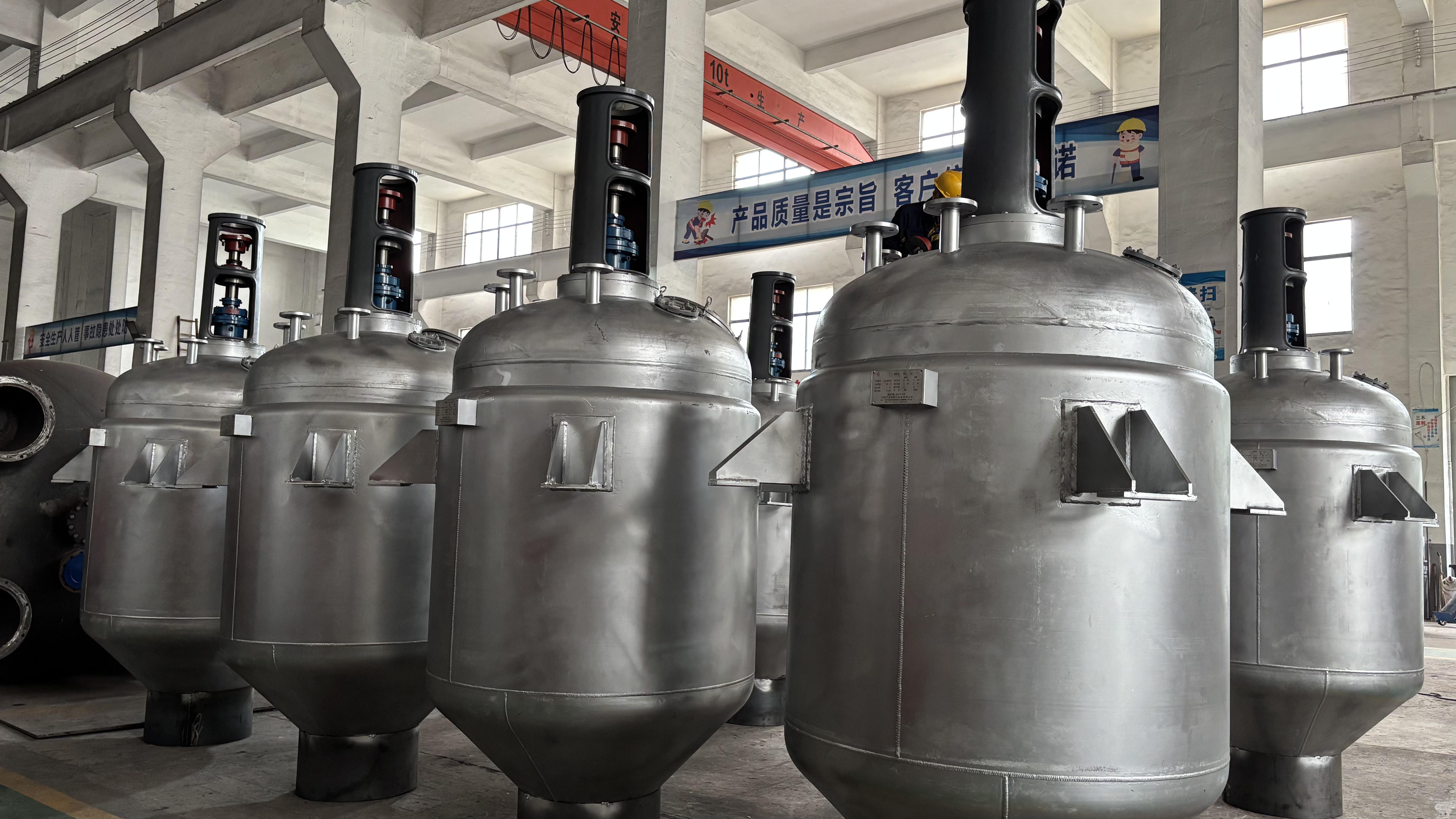
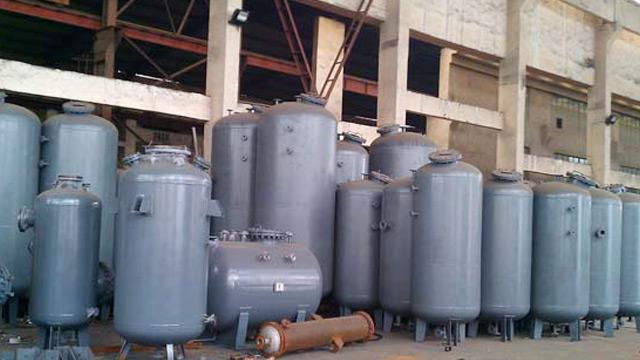
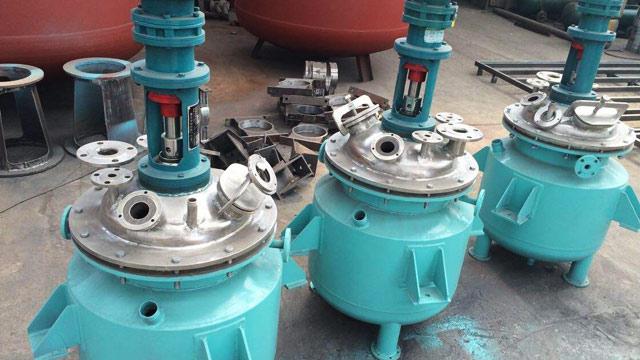
Beyond specialized heat recovery, our production line encompasses advancedTubular Condensersand industrialStainless Steel Reactors, delivering fully integrated mixing and thermal solutions designed to elevate your overall factory throughput.
Transitioning to a spiral plate heat exchanger is a proven method for cutting energy consumption and preventing costly, unscheduled shutdowns. Its compact structural footprint, superior thermal transfer dynamics, and high resistance to fouling make it an essential asset for modern, continuous-production facilities.
Looking to resolve thermal inefficiencies in your production line? Contact our engineering sales team today to receive a detailed technical consultation and custom equipment quotation.
2026/02/28
2026/07/13
2026/06/15
2026/07/01
2010/11/02