+86-17712362975 hongtuyaohua@126.com
You are here:Home > News&Blog

Working principle and structural analysis of reaction kettle

Date:2010-11-02 17:10     Browse:80

As a core equipment in industries such as chemical, pharmaceutical, and food, reaction vessels are crucial containers for achieving various chemical reactions. Its working principle revolves around a "controllable reaction environment", providing stable conversion conditions for reactants through accurate control of key parameters such as temperature, pressure, and stirring rate. During operation, after the reactants are proportionally added to the kettle, the stirring system is activated to fully mix the materials and ensure the uniformity of the reaction; At the same time, the jacket or built-in coil is filled with heating medium (such as steam) or cooling medium (such as cooling water) to achieve real-time adjustment of the reaction temperature. For reactions with pressure requirements, the sealing device ensures that a specific pressure is maintained inside the kettle, promoting the reaction towards the target direction and completing processes such as material synthesis, decomposition, or modification.


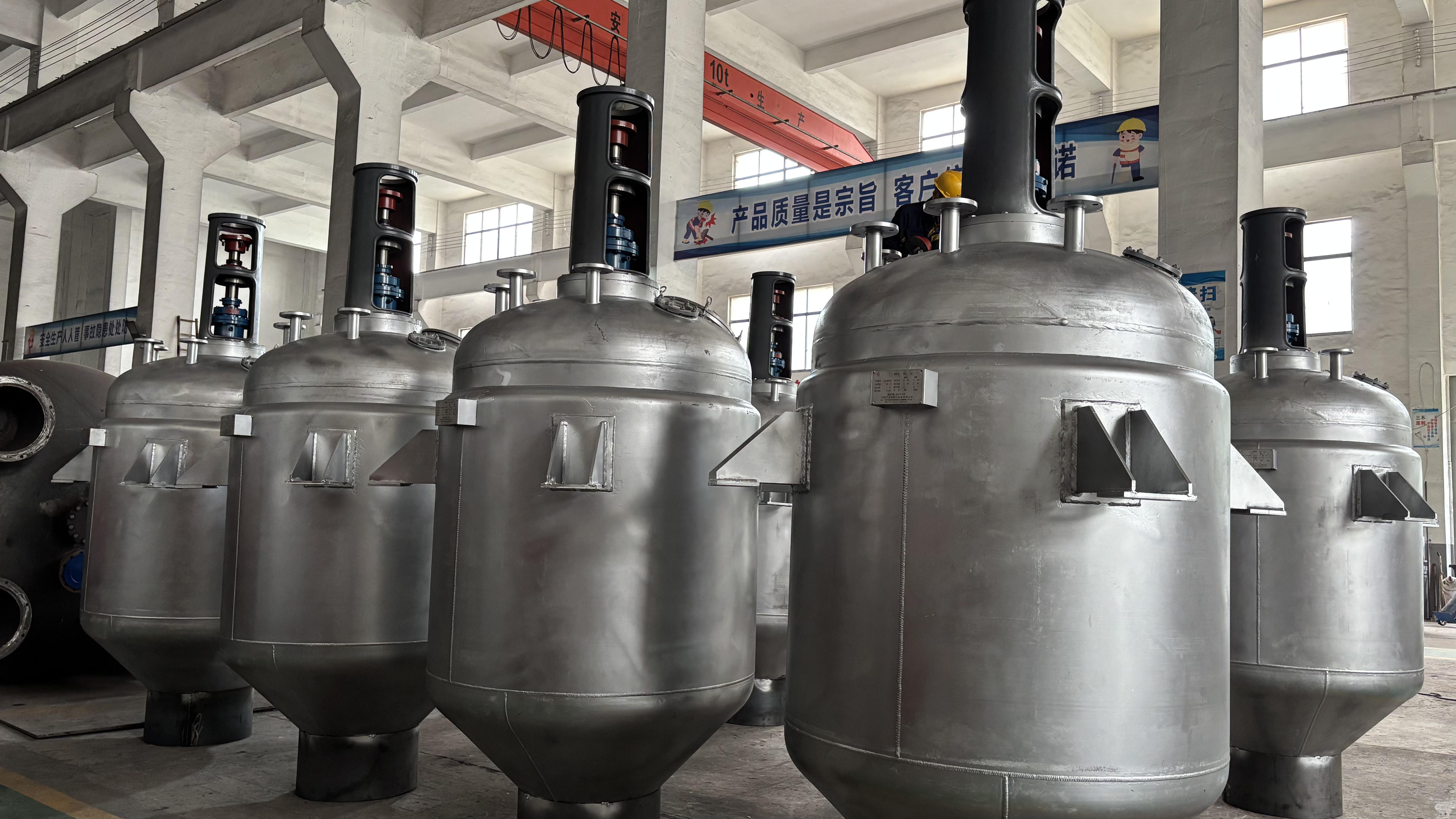
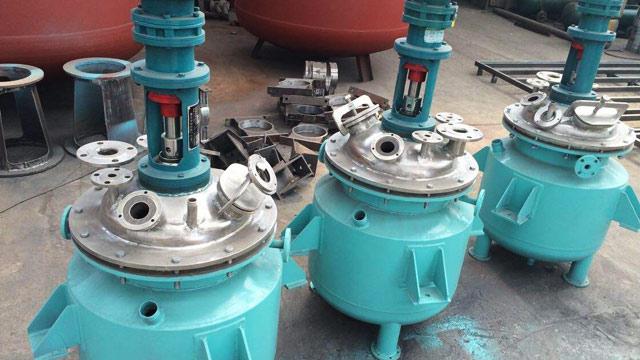
From a structural perspective, the reaction kettle is mainly composed of a kettle body, a stirring system, a sealing device, a heat transfer device, and supporting components. As the core pressure vessel, the kettle body is usually made of stainless steel or special alloy material, which has high temperature resistance and corrosion resistance characteristics. Its shape is mostly cylindrical, and the bottom is designed as a hemisphere or ellipse for easy discharge and mixing of materials. The stirring system includes a stirring shaft, a stirring blade, and a driving motor. The stirring blade can be selected from blade type, turbine type, or anchor type according to the reaction requirements, which can effectively break the laminar flow of materials and improve mass and heat transfer efficiency. The sealing device is the key to ensuring the safe operation of the reaction kettle. Mechanical seals or packing seals are commonly used to prevent leakage of the medium inside the kettle or the mixing of external impurities. The heat transfer device is generally of the jacket type or inner coil tube type, and temperature regulation is quickly achieved through medium circulation. In addition, the reaction kettle is equipped with auxiliary interfaces and instruments such as feed inlet, discharge outlet, pressure gauge, thermometer, etc., which facilitate material transportation and parameter monitoring. The supporting components ensure stable placement of the equipment.


It is precisely through reasonable structural design and precise temperature and pressure control capabilities that reaction vessels play an irreplaceable role in modern industrial production. Their performance directly affects the quality and production efficiency of products. Therefore, industry standards must be strictly followed in design and use to ensure both safety and efficiency.


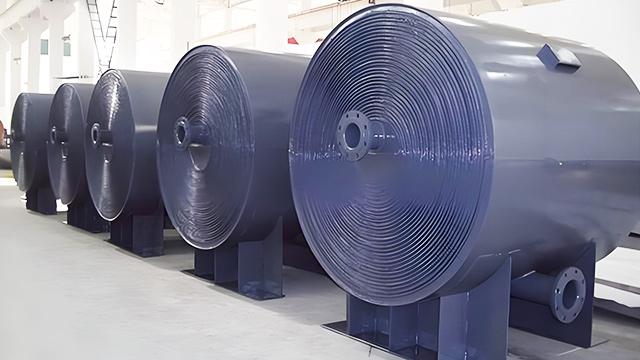
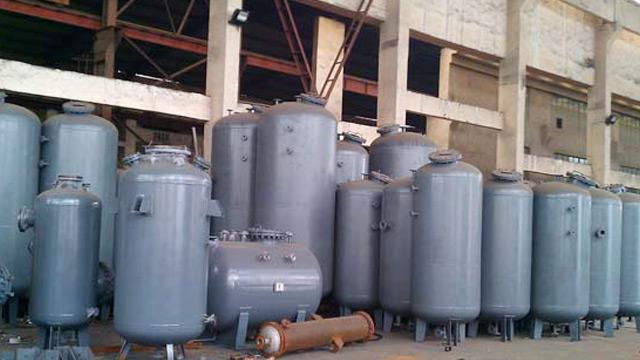
Hongtu Pharmaceutical has been focusing on the research and manufacturing of pharmaceutical, fine, and organic silicon equipment for 28 years. Our products cover reaction vessels, stirring vessels, storage tanks, heat exchangers, concentration vessels, distillation towers, etc., which can meet the equipment needs of the entire production process in industries such as chemical, pharmaceutical, and food. We are providing mature and reliable solutions for enterprises.


What We Do Our Services

News&Blog

  • +86-17712362975
  • hongtuyaohua@126.com