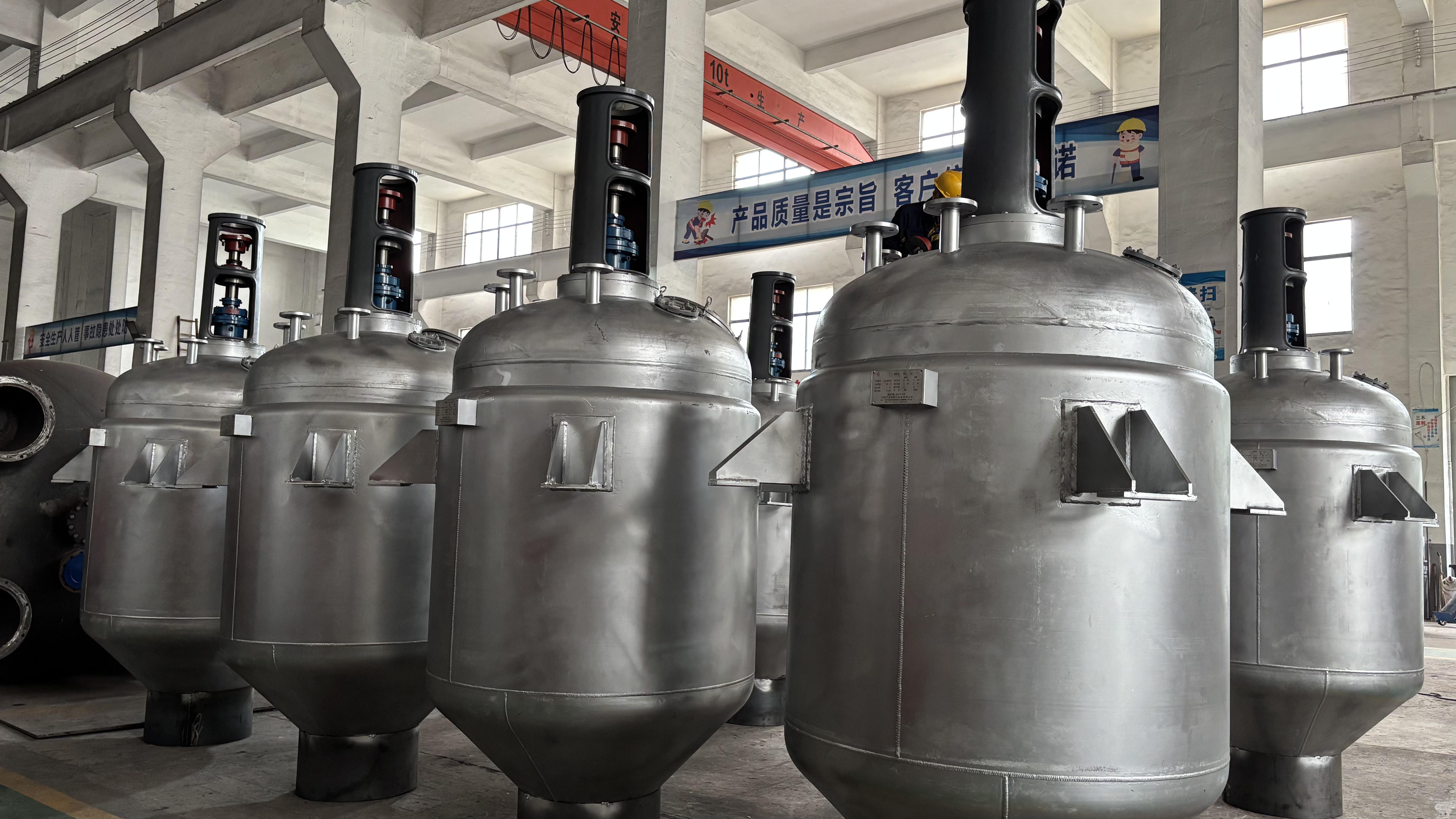
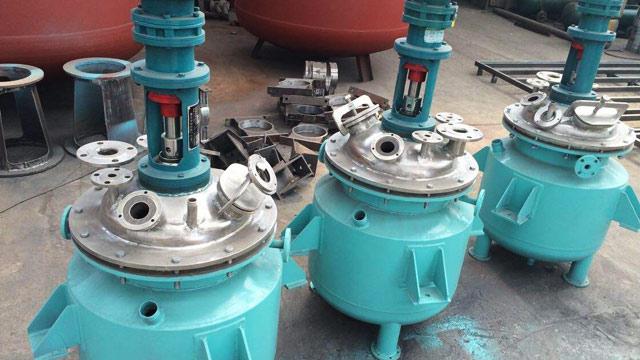
As the core pressure equipment in industries such as chemical and pharmaceutical, the dismantling operation of reaction vessels involves multiple dimensions such as safety, environmental protection, and equipment protection. It is necessary to strictly follow standardized procedures and avoid risks.
The preparation work before dismantling is the foundation of safe operation. The medium inside the reaction vessel needs to be cleaned first, and residual materials should be removed through replacement, blowing, cleaning, and other methods. Especially for toxic, flammable, and corrosive media, they must be tested and qualified (such as toxic medium concentration below the safety limit and combustible gas concentration meeting explosion-proof requirements) before operation. At the same time, the power supply, heat source, gas source, and material inlet and outlet pipelines of the reaction kettle should be cut off, and a "Do Not Operate" warning sign should be hung at the relevant valves to prevent accidental start-up or material inflow. In addition, it is necessary to prepare dismantling tools, protective equipment (such as gas masks, chemical protective clothing, safety helmets, etc.), and emergency rescue supplies to ensure that personnel protection is in place.
Strictly follow the disassembly sequence and technical specifications. Disassembly should be carried out according to the principle of "from top to bottom, from outside to inside". First, remove external accessories such as motors and mixing systems, and then disassemble components such as heads and flange connection bolts. When disassembling bolts, symmetrical and uniform force should be applied to avoid equipment deformation or bolt damage caused by uneven force distribution; For severely corroded bolts, rust remover or heating can be used to assist in disassembly, and violent operation is prohibited. If there are internal components such as inner coils and stirring shafts inside the reaction vessel, they should be marked during disassembly to prevent component misalignment during reassembly. At the same time, attention should be paid to protecting the sealing surface of the equipment, avoiding collisions and scratches, and covering it with specialized protective gear in a timely manner after disassembly.
Strengthen on-site safety and environmental management. A warning area should be set up at the dismantling site to prohibit unrelated personnel from entering; Operators must hold certificates and strictly comply with special operation regulations such as hot work and high-altitude operations. The waste generated during the dismantling process (such as waste gaskets, waste bolts, cleaning waste liquid, etc.) should be classified and collected, and it is strictly prohibited to dispose of them at will to ensure compliance with environmental protection requirements. After disassembly, it is necessary to clean, inspect, and maintain the equipment components, replace damaged parts in a timely manner, and prepare for subsequent reinstallation or storage.
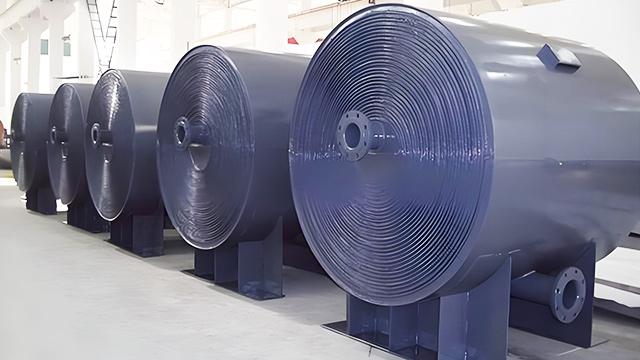
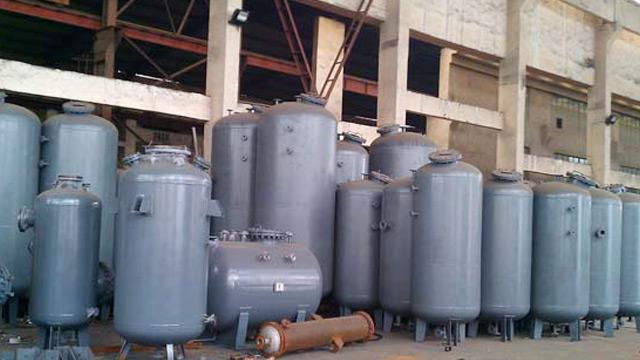
Hongtu Pharmaceutical has been focusing on the research and manufacturing of pharmaceutical, fine, and organic silicon equipment for 28 years. Our products cover reaction vessels, stirring vessels, storage tanks, heat exchangers, concentration vessels, distillation towers, etc., which can meet the equipment needs of the entire production process in industries such as chemical, pharmaceutical, and food. We are providing mature and reliable solutions for enterprises.
Every chemical process is unique. Contact our engineering team today for a tailored equipment solution that fits your specific production needs.(htyh02@gmail.com)
2026/06/29
2026/02/28
2026/07/13
2026/07/01
2026/06/15