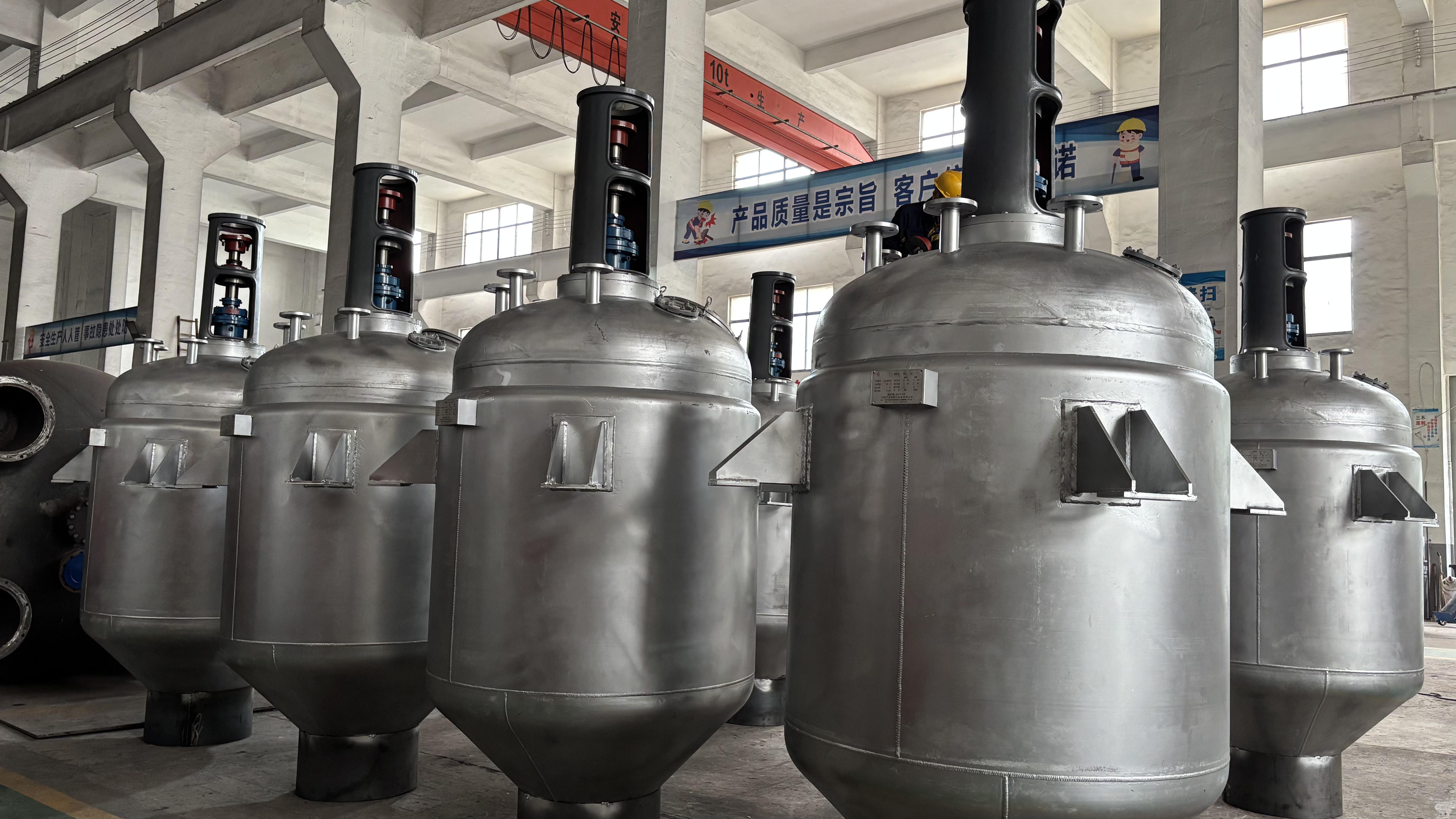
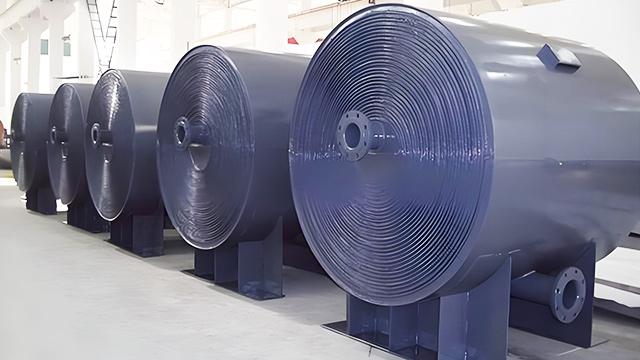
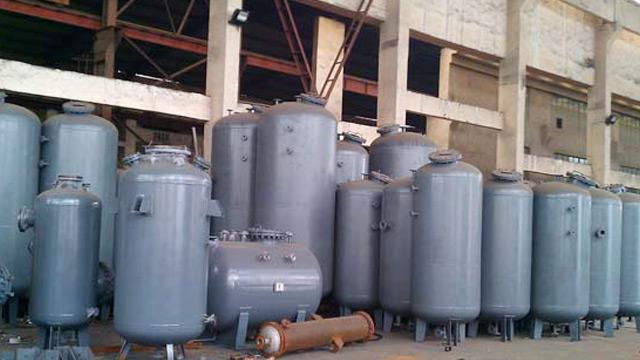
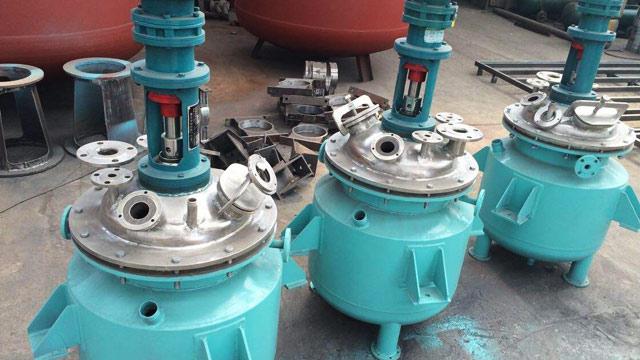
In industrial production such as chemical, pharmaceutical, and food industries, reaction vessels and mixing tanks are common material handling equipment. However, there are significant differences between the two in terms of functional positioning, structural design, and application scenarios, and they need to be selected based on production needs.
From the perspective of core functions, the core of a reactor is to "achieve chemical reactions", which is a specialized container that provides a controllable reaction environment for materials. During operation, it is necessary to regulate parameters such as temperature, pressure, and stirring rate to promote chemical reactions such as synthesis, decomposition, and polymerization of materials, such as the synthesis of antibiotic intermediates in the pharmaceutical industry and the production of organosilicon in the chemical industry. The core function of a mixing tank is "material mixing", mainly used to uniformly mix, disperse or dissolve multiple materials, without involving complex chemical reactions, and only needs to meet the physical mixing requirements of materials, such as sauce blending in the food industry and pigment dispersion in the coating industry.
In terms of structural design, reaction vessels are usually made of stainless steel or special alloy materials to withstand pressure, temperature changes, and medium corrosion during chemical reactions. They are equipped with complete heat transfer devices (such as jackets and inner coils), sealing devices (mainly mechanical seals), and safety relief components. Some also require specialized interfaces such as catalyst addition ports and reaction product sampling ports. The structure of the mixing tank is relatively simple. Although it also includes a mixing system and a tank body, it has lower requirements for pressure and temperature resistance. The heat transfer device is only equipped when heating or cooling the mixed material, and the sealing requirements are lower than those of the reaction kettle. Packing sealing is often used to meet the needs.
Reaction vessels are widely used in processes that require chemical reactions, such as chemical synthesis, pharmaceutical production, pesticide preparation, etc., which require high stability and parameter control accuracy of the equipment. Mixing tanks are suitable for physical mixing processes, such as pre mixing, dilution, suspension, etc., commonly used in food processing, coating production, water treatment agent preparation, and other fields. In addition, the operation process of the reaction kettle must strictly follow the chemical reaction mechanism, while the operation of the stirring tank focuses more on controlling the stirring time and rate to ensure the uniformity of material mixing.
Clarifying the difference between the two is key to ensuring production efficiency and product quality. Enterprises need to choose suitable equipment based on their own process requirements and functional goals to avoid production accidents or product defects caused by improper equipment selection.
Hongtu Pharmaceutical is equipped with hydraulic, pneumatic, and airtight testing devices and precision testing instruments to accurately test the pressure performance, sealing effect, separation accuracy, and other aspects of the research and development samples, ensuring the reliability and stability of the research and development results.
Not sure whether a reaction kettle or a stirring tank is best for your processing line? [Contact Wuxi Hongtu’s Engineering Team] today for a free technical consultation and a customized equipment quote!
2026/06/01
2010/11/02
2026/06/01
2026/07/01
2026/06/22